Friday, May 18, 2012

Interview in Spot Magazine!

Featured Article in the May/June 2012 issue of Spot Magazine. Happy anniversary guys!
 
To Easily Read See Larger Image CLICK HERE


Wednesday, May 2, 2012

I ROCK! BUT I AM NOT AN ISLAND.


Our human history is certainly NOT filled with stories of men and women overcoming insurmountable obstacles completely on their own. They always have a team: The original Macintosh development team, The 1985 Chicago Bears, or Frodo and his fellowship. People band together for protection, to share the work load, and create a better environment for themselves. No matter the level of talent or ambition, no one can do it alone. If you want your band to go farther, build a team.

When I first started out as a radio talk show host, I tried to do it all myself. I wrote every bit, did all my own research, and took on the work to try and grow the business. I got burned out. I came to realize even the big boys of talk have teams writing for them. That turns the host from work horse to more of an editor and collaborator. And on the business side they go from sole proprietor to director or captain. One person can’t build, operate, and steer a ship on his own. 

Your team is more than your friends who you enlist to help out once in a while.  That scenario often leads to disappointment when the friend doesn’t display the same sense of passion for the project as you do. Building a team is more than delegating tasks. It’s about achieving goals. And to achieve them, you have to 1st know where your band or project wants to go. Even if your goals aren’t as specific as “to one day play the main stage at Bonnaroo,” deciding to not to stay stagnant is a good step in the right direction. 

Write down your goals. Take the 1st 10-20 minutes of band practice (when your band should be discussing business matters anyways) and have band members share their goals. Sharing goals and writing them down makes it more likely you will work to achieve them. It also ensures all band members are on the same page and focuses efforts on pushing the band forward. 

Once you know where you want to go, you are ready to tell others and build your team. This team can come from close friends, super fans, or ambitious observers. It is important to know what you need done and what skills are necessary to do it. Be sure to assign tasks based on the person’s particular talents and skill set. Put those outgoing talkers in charge of passing out flyers.  Some team members will be volunteer; some are after experience and recognition, and some you will have to pay for.  Friends might work for free but accountants and lawyers will not.  Others, like booking agents and managers will only take a percentage of what they make you.  As for the rest, farm out your graphic design; get a t-shirt guy, merchandise person, roadie, a driver, any task that frees you up to focus on why you got into the game in the 1st place – the music. 

Your team members should not only have clear expectations of what you want from them but they should understand WHY they are there in the 1st place. They will be much more productive and will show passion in the lean times if they understand how the part they play fits into your overall goals and mission.  The point is to make those on your team believe as you do – that what they’re doing, no matter how small the task, is important. You don’t want to count on someone only to find out that you’re on the bottom of their priority list. 

Even if your band’s music is the end product, it’s not all about the band. There should be some perceived value to helping you out. Whether its cash, free swag, or career experience; know the needs of those around you and try your best to match people with the right task and rewards. Are they expecting to grow with you? Just looking for a line on a resume? Or are just happy to have a free t-shirt and tell friends ‘they’re with the band?’ Each team member should be aware of how band decisions are made and who they should go to and with what questions. Is the drummer in charge of booking? Then any show opportunities need to go thru them. Each member of the team should know what they can or can’t say/do on behalf of the band.

Having clearly defined expectations and instructions may not come easy. There is always a learning curve when building a team from the ground up. But as an indie band, you should be used to hard work. Be patient with new team members. Though it may be slow going in the beginning, the effort put in will be worth it to have a solid team. 

Goals change. And that’s ok. Did you become the astronaut you said you wanted to be when you were six?  If you stuck with that goal you’d be out of a job now. Who knew musician would be the more stable choice? Just like you don’t have to follow the goals you made when once you were six, you don’t have to rigidly follow the goals made just a few years ago. Your goals should match your current wants, talents, and opportunities. It’s ok to change your goals over time. 

With a good team of supporters, you’re free to manage the business side and work on your music. You remain in charge but you’ll get some breathing room.  The team you put together will look to you for attitude and inspiration. Be your own biggest fan and when they see that, they’ll follow suit. The reason many people fail isn’t because they didn’t have the talent or that no one gave them a break – it’s because they never really tried. 

If the support system you build isn’t all unicorns and rainbows on the 1st try, don’t beat yourself up over it. It’s a process. Building a support system takes time and effort but without it, you’ll run into limitation when trying to get to a higher level than where you’re at.

Friday, April 6, 2012

How to Succeed By Really Trying

I am asked on the regular for advice on how to get ahead in the entertainment business.  Just as consistently I have to hear that no one can ever know how to succeed again because the business is changing so fast. Things change. They always have. We are not the 1st generation to seek success in an ever changing, and sometimes scary world.

My experience and observations have led me to these five tips to success if you're really trying to succeed.  They work whether you're in the entertainment business or trying to grow in a cube farm. One of my favorite law professors once told us, "Why not stop complaining and try busting your ass for once. Give me three months and come show me your grades." I got an A. As for the rest of it, it's a process and I'm out every day, trying really hard.  Best to all of you doing the same. 

#1 Don't wait for the right time. Just go out and start doing something.  If it doesn't work, change it, adapt, or try something new. Don't let a dream wither and die without giving it a chance.

#2 Once you do something, take pride in what you do and how you do it. Strive to do whatever it is, well.

#3 Don't get complacent with a job well done. There is a fine line between extreme hobby and being a professional.  whatever your thing is - be a professional in conduct and attitude.

#4 Never stop learning. Research, ask questions, make mistakes and learn from them. See others falter and take their warning.  There are a lot of professionals. Strive to be at the top of your own personal game.

#5 Once you're at the top of your game, do something meaningful with your knowledge and empowerment. Be more bold and less afraid.  Help lift up those around you.  Look back at how far you've come use that inspiration to do things you never imagined possible when you first began.

Tuesday, March 27, 2012

The Florida Music Festival: What to Know Before You Go.

Music festivals and conferences are a necessary tool for every artists looking to build a fan base and make important friends.  But all music conferences are not the same.  Before you pack the van (or in this case walk) there are certain things to consider.
This article is geared towards local Florida musicians coming to the Florida Music Festival (FMF) either to play or just to network and learn. The FMF is not South by Southwest (SXSW). Not even close. And it does not rank among top festivals/conferences in the U.S.  It’s a fan’s festival – tons of music at a great price.  Even the festival website touts itself as the “cheapest rock & roll bar crawl in America.” But that said, a savvy band can make the most out of any gathering of people and here’s how:

Know What You Want

If it’s your first time, there’s a lot to learn from just experiencing the FMF as a fan.  Whether you’re looking for gig swaps and new promotion ideas, or a booking agent – write down what you and your band hope to get out of the weekend.
Visit the website.  It’s updated more and more as the festival approaches.  Find the list of industry speakers and other bands. Make a note of those you want to speak with and where they’ll be.  There will be handy pocket schedules but make your own schedule (phones are great for this) with reminders of where to be and when. 

Don’t forget that meeting other bands is as important as face time with a guy who signed some big name 20 years ago. Spend time online listening to the other artists that will be there. Go to the shows of the artists you like and meet them. Showing support like that goes a long way to starting a friendship that can lead to gig swaps, tour recommendations, and more. 

You won’t be able to meet everyone so focus on making an impression with every single interaction. Don’t look around for someone more important as you’re shaking hands with someone. Be present in every interaction. 

Have your 30 second elevator pitch ready and make sure every band member knows it by heart. It should tell them who you are, what you sound like and create a lasting impression. The point is to get folks to your showcase or keep you in their heads long enough to visit your website. 

Yes, It Costs Money

Hopefully, your band submitted itself for the FMF and scored some passes.  Make sure everyone in the band knows what expenses are paid for by the band (flyers, download cards) and what they pony up for (food, affliction t-shirts).  In any case, Keep Receipts.  Your accountant will thank you next year.

Most garages will double their prices when big events happen. Save on parking by car pooling or finding a side street with legal parking and walk.
Don’t expect immediate fame and fortune from the FMF. The relationships you begin to build are the return on investment you should be after. 

What to Do When You’re Playing a Showcase

Put your showcase time and location everywhere. On every website and calendar your band has. Not only will that make you easy to find, but potential booking agents and managers will see you’re on top of things.  The fact that you’re playing a showcase looks good to those industry folks who might skip the FMF but come across your sites on their own.

Based on years of FMF experience I can safely say – many stages will run behind.  Without a professional stage manager and sound guy at each venue it’s easy to get behind. Don’t add to that and take forever to load and unload.  If you see another band struggling or dragging their feet – help them. It looks good and helps the whole festival stay on track. 

The decide what promo materials the band will use. Flyers? Posters? CDs? EPs? Download cards? Whatever you choose, get some small stickers with your showcase date and details and put them on all promo items. When spreading the good news of your band take care not to be “That Band.” Know the policy on hanging flyers and soliciting in the street.  When the posters are up, keep checking them to make sure they have not fallen or been covered up by another band. Central Florida’s music scene should be above putting your poster over someone else’s but it happens. All I can say is that it’s a small world and word gets around. 

Former showcase player and professional musician, Bryan Malpass had this advice, “Don’t just pass out flyers. There has to be some interaction every time. Passing out flyers is a great ideal and all but you need to give people a reason to come see you.” That reason won’t some from a piece of paper alone. “One year I swear I must’ve talked to every person I saw.  I think that was the reason I had such a great turnout.”

At your showcase, be sure to have some physical item to give people to take home with them. A thank you card signed by the band is a nice touch. A “collectible” showcase only EP perhaps. No matter what the band decides, stand out and be different. I once got a sack lunch with a juice box, candy, and an EP at an FMF showcase. It drew me into conversation with them and instead of passing through; I watched their whole set which led to me featuring them on a syndicated radio show and podcast. In any case, stand out. I’ve seen bands pass out water they’ve relabeled or hand stamps with the band name and website.

Be prepared for the variety of industry folks and their needs. Journalists may want full press kits. Bloggers, an EP and web site. Remember, there will be a whole lot of bands handing stuff out. It becomes a pain to carry around.  Show you respect their limited amount of pocket space and give out hole punched download cards they can hang on their lanyards. 

Come early and stay late. Don’t make the venue wonder where you are. Don’t assume people there know who you are or even came to see you. Repeat your name - repeatedly, then say it again.  The set list should be made up of your best songs, even if you’re sick of playing them. Save the new material for another time. You want to appear polished and practiced.  New material makes it harder for that to happen.  Whether there are three people or three hundred – play like you’re playing the main stage. You never know who those people are and even one person who saw a great showcase will surely tell their friends what they’ve missed. 

And when the showcase is over, stick around to talk to those who came to see you. Don’t wait till after the van is packed. Have friends help with the unload so at least some band members can work the room before the crowd moves to another venue and another band.

Networking is Not an N Word

It’s not a bad thing. Nothing to be afraid of. It sounds stuffy but really means “saying hello with beer.”  Understand that you will learn far more at a music conference than you will promote. The information is priceless. Carry a pen and paper. Every festival I’ve ever been to, from CMJ on down, there’s always someone looking for a pen and paper. Use them to take notes after interactions to help when you follow up.

Networking is not about you. It is the art of being interested in the people you talk to.  Try to know something about those you plan to meet. Ask them questions about themselves. No matter how much you want to rave about how you melt off faces, make the conversations about them and they will walk away remembering you. Talk about them enough and at a certain point they will ask what you do and then ask for your music. When someone asks for your music they will more likely listen to it as compared to having a CD shoved in their hands.

Since the FMF is more for the fans, there will be way more music lovers than industry folks. Talk to everyone anyways. There isn’t a single person that isn’t worthy of a few minutes of your time. You can never judge a book by its cover so don’t blow off talking to someone because you think they are just an attendee. They could easily be your next booking agent, manager, lawyer, or offer to film your next video.

If talking to strangers “isn’t your thing” then you’re screwed. Or you can nut up and just say hello. Then ask them about themselves. What is their favorite artist? Who did they come to see?  Seen any good showcases? What made you get into playing music? How did you start out in the music industry? As long as you get them talking about their experiences and opinions the conversation will get around to you. 

The FMF is great because it can be a giant yearly reunion for artists and industry types. But avoid spending too much time with those you already know. Those relationships are there and can be built outside the conference and maintained with a quick conversation. You’re there to meet new people. If this is not your 1st time at the FMF, go back and look at the contacts you’ve made previously. Write them and arrange a time to meet. Catch up, then ask them who they think you should meet and an introduction if possible.  

The FMF Conference

The conference is just one day (6 hours) and consists of a keynote speaker and a few industry panels.  It’s worth going to with some caveats.

First, stay sober. While the FMF can be one big party, it should be work for your band. Have a god time but no one wants to work with drunks. Don’t be hung over from the night before. If your band is a party band, designate a few members or just one who will attend the conference and appear alert and attentive. Bryan Malpass said, “Bad Impressions last longer so be professional.”

Next, be sure to get involved. Ask questions but please don’t be that douche who asks a question by first announcing his band, website, showcase time, and then tries to hand his press kit to the panel.  Simply state your name, that you’re an artist and ask your question. Then approach the panelists you researched afterwards and continue the conversation. “Everyone is trying to get their music out there. There’s a fine line between hustling and being completely rude.” suggests Malpass. Be genuine rather than aggressive. 

There will always be some at the conference who are bitter and complaining. Avoid them at all costs. Your goal is to be positive.  You can’t afford to be seen with those who’s rather bitch than make an effort to learn and improve.

Take notes to share and discuss what you’ve learned with the rest of the band. Everyone might have a different perspective and it’s good to get them all. 

No Showcase, No Problem

Even if you’re not playing, there is so much to be gained from going to the FMF. In addition to networking with industry members, take time to watch other bands.  Further local camaraderie and see those local acts performing. Meet new bands you’d like to work with. You can improve your promo efforts and stage show just by watching what works as well as the epic fails from other artists. 

A band’s brand can be showcased just by walking down the street. The brand is made up of your wardrobe, the entourage that follows you, and your attitude.  The music comes second.  It’s not fun to say that but the former are what can draw new fans in so they can eventually experience the music.

Social Media Matters

Making the most of social media means more than posting on your timeline and tweeting 10x a day to ‘come check you out.’  There is an ongoing social media conversation happening at every big event. Don’t miss out on the chance to join in. The FMF will have a specific hashtag#. Find it and add it to your tweets. Others search this hashtag# and will then see your tweets. Don’t just use hashtags# to reach beyond your own twitter followers for shameless self promotion (although it’s great for that).  Tweet good quotes from the conference. Mention those you’ve met with their @name. The follow up is immediate and public and a great way to build relationships.

Even before the conference, a few well placed comments to posts on the FMF facebook can’t hurt. 

The Aftermath

Many will go. Few will follow up. When you wake up and shower the funk off, start sorting the flyers and business cards you’ve collected. Enter the contact information you have and write those you spoke to. Keep it simple. Mention something you specifically discussed, that it was nice to meet them, and maybe ask to have a further conversation by phone in the future. Asking how they want to be contacted can go a long way into getting a favorable response. It shows you respect their time and process. 

Take advantage that Orlando has a thriving music scene that puts on this kind of event.  Take what you’ll learn and improve. The FMF is a great little conference to practice for the bigger ones. 

·        *The Florida Music Festival will be downtown Orlando April 19th through the 21st.

Thursday, March 15, 2012

WRITE. RECORD. RELEASE. REPEAT.: The Real Value of Music in the Culture of New.

“Music has lost its value.”  I’ve heard that scoffed by former music execs and even musicians themselves and felt a need to reply. Yes, our culture has developed so that the consuming public wants the newest and latest.  We are taught to believe our phones and tablets are worthless once a newer model comes out, even before we learn to fully utilize the ones we own. And who wants to be caught listening to last month’s #1 single when the same artist has a totally new song out? That is sooo 33 seconds ago.  But just because the current business model in music demands a steady rotation of songs and artists does not mean either is disposable. 

The Culture of New is not so new.  The Japanese have been into whatever is new for decades and it hasn’t made those products necessarily disposable.  The crap ones fade away. The great ones are kept and exported. So if people feel music is disposable, maybe the problem isn’t music in general – it’s crap music. The part of the Japanese Culture of New model American music seems to be missing is the constant need for innovation that goes with the demand for something new.

It can be hard for the indie artist to compete in such a short business cycle. They often spend months, even years laboring over songs, only to find that when the album is finally ready, its sound is outdated, their look is a costume, and the rest of the scene has moved on to something different. There will still be fans to get but those artists are coming in at the end of the cycle with little wave left to ride.  The independent artists must adapt the short cycle of creation and release if they are to have any longevity.

Those in the industry who claim music has lost its value and has become disposable point out that the market is flooded with non musicians who make songs and videos on their smart phones.  They could not be more wrong. And it’s their own fault for firing their A&R departments. There’s no gatekeepers anymore, which is great for two reasons. First, all those artists who whined they just needed a big break now have no one to blame but their own lazy selves. Second, giving anyone the opportunity to create spurs innovation and competition, which can lead to better music. 

The hardest part of writing and creating is getting started. (I spent an hour checking email and reading news before I typed the first letter of this.) Stop working on those rock moves and go make music! Lots of it. A good song will get heard. No matter how many Rebecca Blacks auto tune themselves with a Songify app, a truly great song will be undeniable. The best advice for all artists in this short cycle culture of new is this:

WRITE. RECORD. RELEASE. REPEAT.

Creativity breeds more creativity and attracts creative people.  Not everything will be a hit or even good but by constant creation the artists is forced into getting a better idea of current trends.  They will be more relevant and their playing and performing skills will vastly improve. It’s the difference between talking about bulking up and actually starting the 90 day challenge.

The old rules of the music biz are outdated. Those rules sucked for the indie artist. Today’s culture allows for musicians to make their own rules and live by them. With no one set path to success, individuals can follow their own unique path to greatness. And with constant creation, they can easily adapt when they need to. Artists are no longer beholden to the old system so musicians should no longer be owned by a corporation. The only thing that should be owned is music and that should be by the fans who buy it. (Not merely license it, but don’t get me started.)

Those who claim music has lost its value have made the mistake in assuming that music is simply another commodity. Music’s value in the experience it creates. Music is  the soundtrack to our lives – our first kiss, first time, a special trip.  It is more than a commodity streamed to personal headphones. It builds connections between strangers who bond over it and share it. Sharing music is a valuable human experience; one that has been vilified and blamed for the poor business decisions of the old music regime. 

A tweet can reach more people than hear an album but that doesn’t make that tweet more valuable. Fame or notoriety is just a bad way to quantify value. Elvis’ hips and J-Lo’s behind are more famous than their music but we don’t discount their music simply because something else is more famous. 

Apps are the new albums.  That’s the commodity, not the music. People pay to connect.  They do it with their gaming system, cable, Hulu, Netflix, and Spotify.  Give the fans the ability to easily connect with other fans and let them share the new and constant content.  Give them video messages from the band and music videos to tell them stories. Talk to the fans, release different versions of original songs, cover popular songs the fans like and make them unique. The app should be a hyper fan club.  And like the fan clubs of old, if you give the fans something in return they will gladly pay to be a part of it. 

The ability to inspire and connect others is the real value in music. It is not simply the sale of technology and plastic. It enhances and drives the human experience.  It effects how we see the world, fit in with it, and others around us.  The world moves faster with each passing decade. The indie artist must keep up, or get left behind.

Thursday, February 16, 2012

Band Agreements: Putting the Dream on Paper


From pages long corporate partnership agreements to simple handshakes; Band Agreements can be as varied the artists themselves. In whatever form they take, a band agreement is a contractual manifestation of band members’ commitment to each other and to the band itself. Simply put, it’s a way for band mates to tell each other and the world, “We are professional.”  It is an all too common myth that a band has to become successful before they start thinking about the business side of music. Band agreements aren’t just for the successful, they are a tool OF the successful.  They are for the committed.

Sean Sedita of Orange Avenue
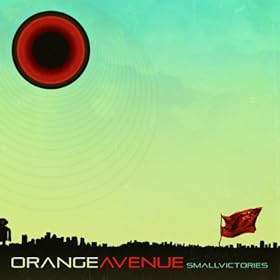
Orange Avenue (5 piece pop/rock) is one of the most committed bands in Central Florida both to each other and to their fans. Drummer, Sean Sedita was happy to talk about the one contract bands really need, but often never think about until it’s too late. 

WHEN IS THE RIGHT TIME TO TALK ABOUT BAND AGREEMENTS?

“Early on.  When [Orange Avenue] first started I was working as a paralegal so I knew some kind of agreement on paper would be helpful.”  Its more than just business decisions. A band agreement can set short and long term goals and provide a solid vision of where a band wants to be. It also demonstrates another level of dedication to the project. “If you love it and really do care, the band agreement comes with it. Even if you’re all friends; if you’re really serious, you definitely wanna do it.”

A good rule to keep in mind is that a formal agreement should be made anytime another person is given decision making power on your behalf. That can be other band members in their clearly defined roles, or outside members of the team like booking agents or managers. If there is a situation where someone else has the power to commit you to performing, endorsing, etc., a band can benefit from having some kind of more formal agreement in place. 

WHAT IS A BAND AGREEMENT, REALLY?

Although a band is a business, most members just want to focus on the fun parts. Having a custom band agreement in place ca, in part, allow musicians to stop worrying about certain things and concentrate on what they do best. There are standardized forms floating around the internet but to really be effective, the ideal band agreement will contain the things most important to the group.

Of course there are the business decisions.  What happens when money is made? Is it divided or does it go into a band fund? If members put in their own money to help out the band (buying gas, or making flyers) how will they expect it to be repaid, if at all? And if a band shares profits, does that mean they share equally in copyrights? Making decisions about money is often best done before there is actually money coming in. It can help avoid resentment and misunderstandings when the band does start earning. 

A well drafted band agreement can save confusion when it comes to making decisions for the band. It can clearly define roles so if one member goes out and designs and prints 1000 flyers, another member isn’t doing the same thing and wasting time and precious resources. Sean Sedita said, “For us, we all bring equal parts to the table so our agreement is everyone is treated equal.”  No matter how the agreement treats members, it should outline how decisions are to be made. Is it a majority vote? What about a tie? A band agreement can provide the blue print of the band by stating what the group’s long term goals are.  If three out of four guys want to tour and one member refuses to be away from their day job or family for more than a weekend trip it can kill major opportunities. “Everyone has to be on the same page.” And if it’s not put in writing, the conversation still needs to happen.

SO WHAT?

The courts are not clogged with breach of contract actions from independent bands.  Band agreements are usually not for litigation purposes. One of its great benefits is that it allows friends to remain friends.  Orange Avenue has been together for 10 years. “We still have the same goals. And the mutual respect is still there.  But even being that lucky, it’s nice to have an agreement in place.”  Sometimes we all lose out way or forget why we started what we’re doing in the first place. Revisiting such a document can remind and re-inspire. 

Bringing up the subjects of decision making and money can be touchy. And because of that some bands are hesitant to broach the subject for fear of creating a rift among members. At the least, have a trusted friend help facilitate the discussion. To really do it right, hire a professional. And with the business defined, the band can go back to focusing on the music. 

“Our focus has been on getting new fans and making lasting connections.  Because we took care of that business in the agreement, we can make that happen.”

** Orange Avenue latest CD, Small Victories, will be available February 21st